
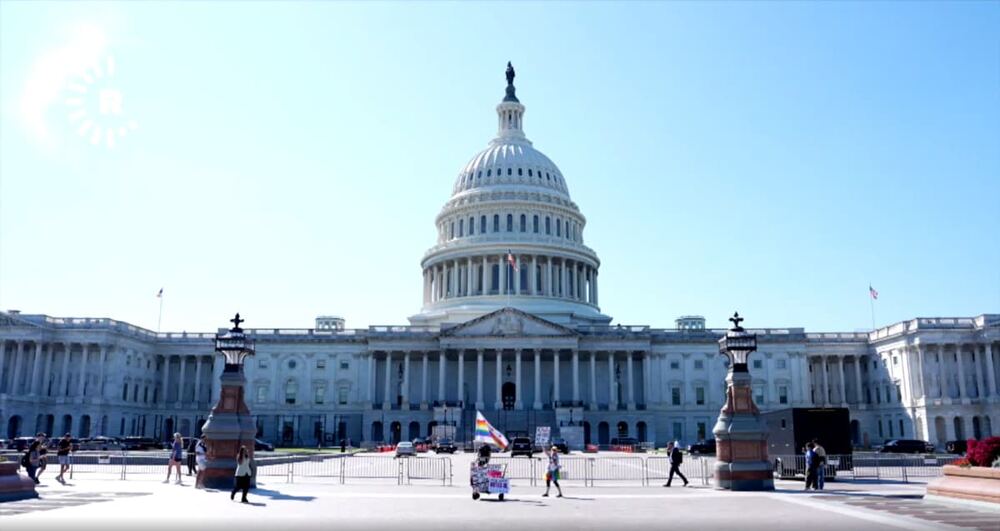
U.S. Congress and the White House Split Over Response to Houthi Attacks
Congress calls for a tougher stance, while the Trump administration seeks to avoid a large‑scale war in the region.
The U.S. Congress and the White House hold differing views on how to respond to the Houthi group in Yemen and attacks in the Red Sea. Congress is demanding a tougher stance, while the Trump administration is trying to avoid opening a new war front.
Some Democrats argue that stronger measures are needed. Democratic Representative John Olszewski said the Houthi threat undermines security and drives up fuel prices, urging the United States to act. Another Democrat, Scott Peters, said that negotiating with the Houthi group is difficult and that these efforts are largely financed by Iran.
Republicans, on the other hand, back the White House approach, emphasizing that the Houthi attacks are carried out at Iran’s urging and that the United States should back Saudi Arabia; Representative Randy Fine said the U.S. must defend its interests and wants Saudi Arabia to succeed in its fight against the Houthis.
The White House, however, is avoiding an escalation of the conflict. The Trump administration said it is providing political and intelligence support to Saudi Arabia but does not want to enter a direct war. It was conveyed that talks with Houthi leaders are being conducted through the U.S. Embassy in Muscat, and the United States will not become involved as long as the Houthis do not block the Bab al‑Mandab Strait and the Red Sea.
As congressional elections approach, these intra‑party divisions have become more pronounced.
Source: Rûdaw