
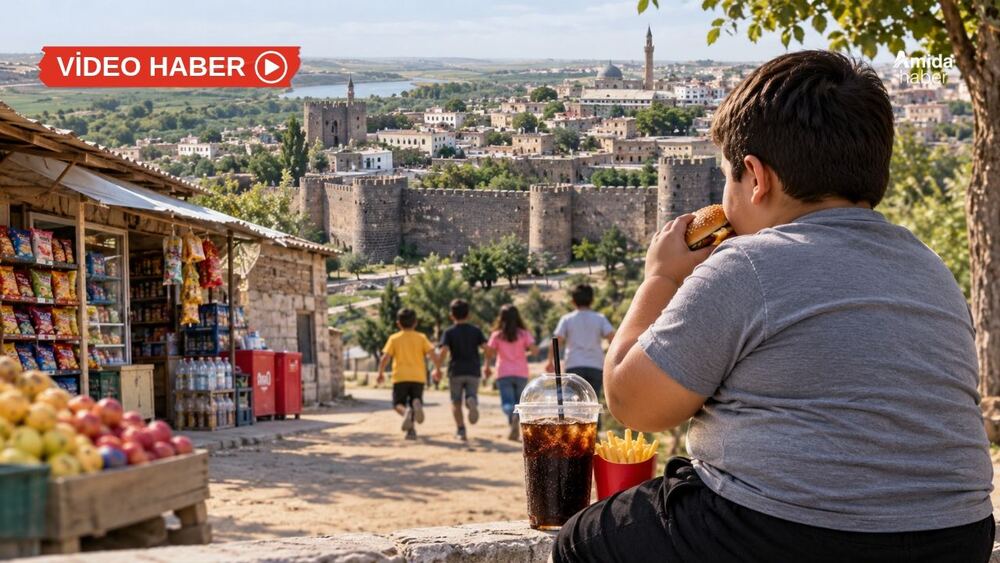
One in Four Children in Diyarbakır Overweight or Obese
The obesity rate among the city's child population rose to 25%.
Globally, the obesity rate among school‑age children has reached 20%, while in Diyarbakır one out of every four children is classified as overweight or obese. Increased access to supermarkets, reduced mobility, higher fast‑food consumption and rising screen time have closed the obesity gap between rural and urban areas.
Pediatric endocrinology specialist Dr. Şervan Özalkak explained that childhood obesity results from an increase in body fat tissue and that the diagnostic process uses the body mass index (BMI). A BMI above the 85th percentile classifies a child as overweight, while above the 95th percentile it is considered obese. The expert emphasized that obesity stems not only from high‑calorie intake but also from economic conditions that shape dietary choices; healthy, protein‑fat‑balanced foods are usually more expensive, putting children from low‑income families at risk.
The obesity rate has shown a marked rise since the 1990s, and the pandemic period accelerated this increase as families spent more time at home, physical activity declined, screen exposure grew, and home‑delivered meals became widespread. Dr. Özalkak noted that from 1990 to the present, obesity has roughly quadrupled worldwide, in Turkey and in Diyarbakır.
Source: Amida Haber