
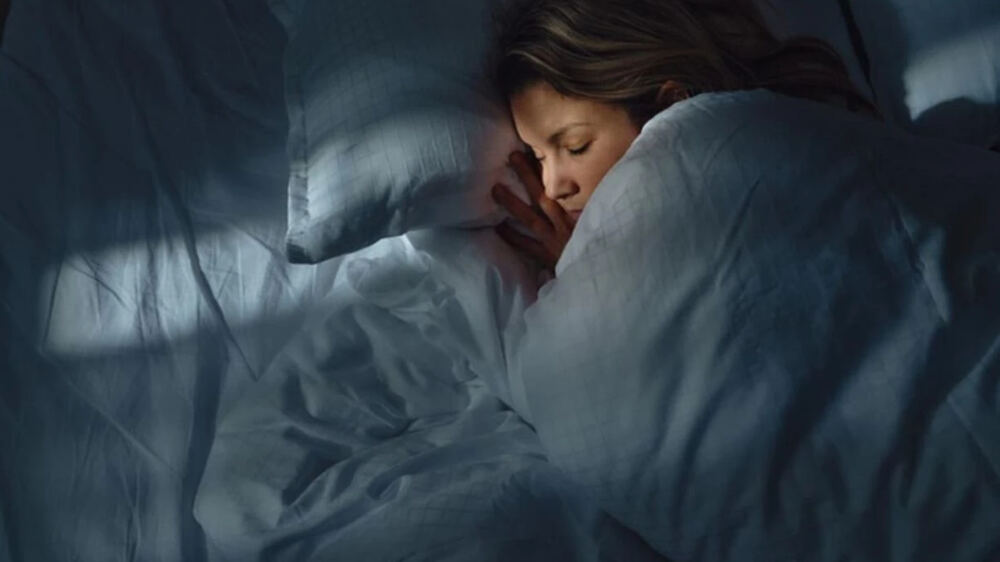
Night light can affect heart structure, light exposure should be reduced
A study found that people heavily exposed to artificial light at night showed measurable changes in heart wall thickness, left‑ventricle mass and contraction function.
A study involving about 11,000 participants, whose light levels were measured with devices they wore for a week and whose hearts were later examined by MRI, investigated the effect of nighttime artificial light exposure on heart structure.
The group with the highest light exposure had heart walls on average 1.5 % thicker, a left‑ventricular mass 2.4 % greater, and a contraction function 1.9 % lower. In addition, these individuals were found to have increased risks of heart failure, atrial fibrillation, heart attack and stroke.
Experts say these changes may stem from disruption of the mechanisms that regulate the body’s biological clock. It is emphasized that the study is observational and does not prove a direct cause‑and‑effect relationship.
For a healthy sleep environment, reducing unnecessary artificial light in the bedroom is recommended; blackout curtains can be used, the LED lights of phones, chargers and small appliances can be turned off or hidden, and the use of nightlights should be minimized.
Source: Kurdistan24