
UN Calls for Immediate Passage of Fertilizer Ships Through the Strait of Hormuz
United Nations official urges Iran and the United States to allow fertilizer‑carrying ships to pass through the Strait of Hormuz to combat the food crisis.
Jorge Moreira da Silva, head of the United Nations Office for Project Services (UNOPS), told journalists at the Climate Summit (COP31) in Antalya that a shortage of chemical fertilizer could push millions of people worldwide into poverty and hunger. Da Silva asked Iran and the United States to allow fertilizer‑carrying ships to pass through the Strait of Hormuz “immediately” in order to alleviate food crises in poor countries.
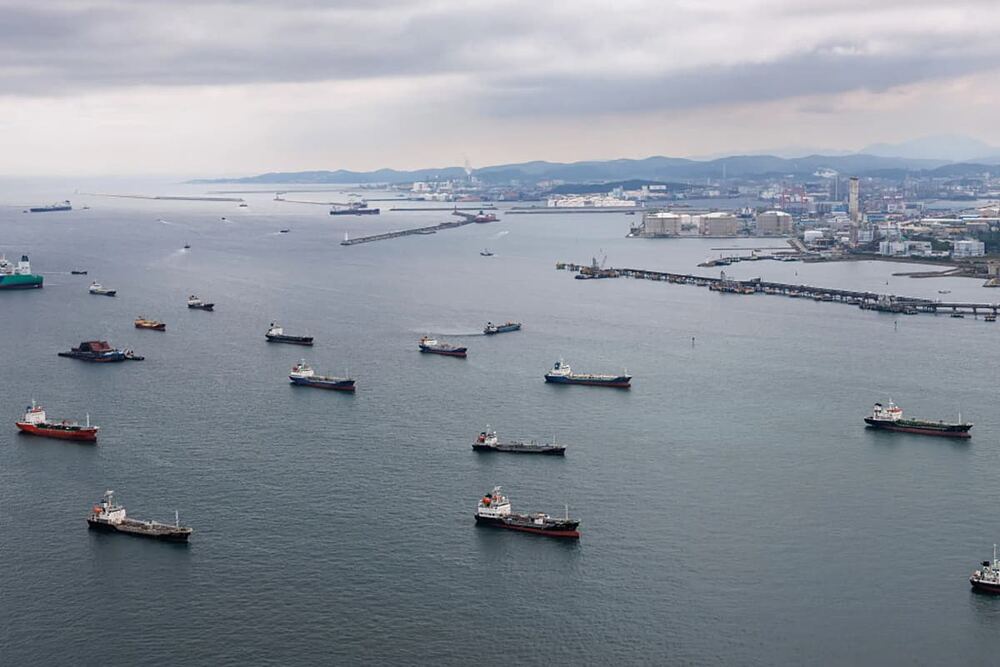
Iran closed the strategic Strait of Hormuz at the end of February after a joint US‑Israeli attack, disrupting regional and global sea‑transport routes. The US naval blockade of Iranian ports also complicates the situation. Da Silva said that both sides must continue diplomatic negotiations, but that the process must not prevent an urgent, exceptional and limited solution for the fertilizer issue. He noted that the target is five fertilizer ships per day passing through the strait. Before the war, a third of the world’s chemical fertilizer was recorded as passing through the Strait of Hormuz.
After the blast, fertilizer prices have risen by 30%, creating unequal and devastating effects in the world's poorest nations. Sudan's Finance Minister reported that food prices in the country have doubled within six months; in Nepal, farmers no longer have the means to purchase fertilizer. Da Silva said that countries such as Mozambique, Kenya, Sudan, Somalia, Nepal, Bangladesh and Sri Lanka are facing severe consequences.
Da Silva warned that if planting seasons are missed, 45 million people could face serious food insecurity and 30 million could fall below the poverty line.
Source: Rûdaw