
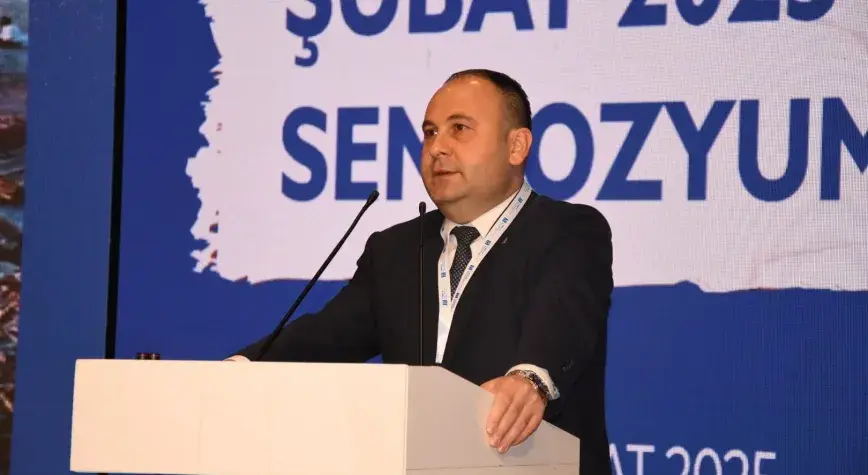
IMO member Burkay Güçyetmez advocates the “Sponge City” model in Gaziantep
IMO Central Board member Burkay Güçyetmez said Gaziantep must adopt the “Sponge City” model to prevent floodings during heavy rains.
IMO Central Board member Burkay Güçyetmez drew attention to the problem of streets and underpasses turning into lakes after heavy rain in Gaziantep, calling for an urgent shift to the “Sponge City” model. “We cannot accept a historic and highly potential city like Gaziantep surrendering to water after every heavy downpour,” he said, emphasizing that the current floods are causing hardship for residents and merchants.
Güçyetmez warned that attributing the problem solely to climate change masks planning shortcomings, adding, “With the guidance of science, engineering and proper urban flood planning, it is possible to make the city resilient to natural disasters. Just as we address the reality of earthquakes, preventing floods and flash floods from turning into disasters can be achieved through qualified personnel and sound planning.” He noted that uncontrolled concrete paving, incorrect road elevations and inadequate urban hydrology cause water to accumulate in low‑lying areas, creating hazardous pools.
He reminded that the solution is not only to increase the diameter of underground pipes, but that a modern engineering approach adopts the “Sponge City” concept. In this model, instead of quickly draining rainwater through channels, the city absorbs it like a sponge and stores it, adding to underground water reserves.
Güçyetmez explained four steps that need to be implemented for Gaziantep and emphasized that “building urban resilience goes beyond politics; technical and administrative transformation must be launched urgently to prevent natural events from turning into disasters.”
Source: Gaziantep Tutku Gazetesi