
How the Iran War Affected the US Energy Sector and Consumers
The Iran war raised fuel prices in the US while delivering record profits to energy companies.
The Iran war created an extraordinary and contradictory situation in the US energy sector. While American citizens are under pressure from a sharp rise in fuel prices, US oil and natural gas companies have posted the highest profits in their history. This has created a deep economic divide between energy giants earning billions of dollars and American families forced to shoulder higher gasoline and heating costs.
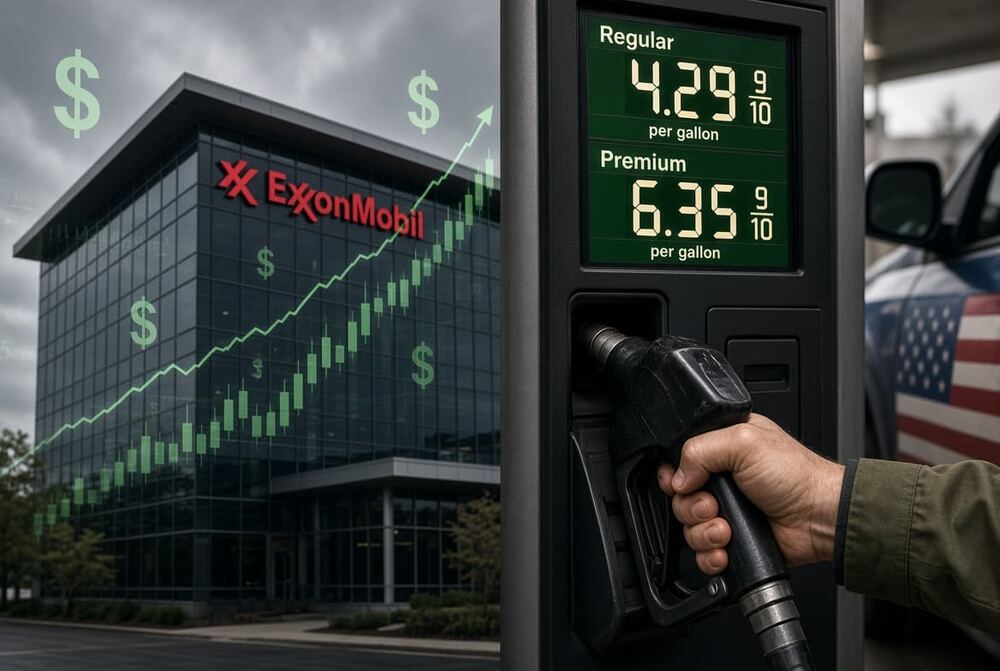
After the war began on February 28, 2026, tanker traffic in the Strait of Hormuz stopped and there were serious disruptions in the global energy supply from Gulf countries. According to data from the US Energy Information Administration (EIA), the price of Brent crude oil per barrel was $120 in March, $118 in April and averaged $114 in September; October forecasts show an average of $105 in the fourth quarter of 2026. In the same period, as of October 26, the average gasoline price nationwide rose to $4.29 per gallon, up 44 % from the pre‑war level of $2.98; diesel rose from $3.76 to $6.35, a 69 % increase.
This price increase further solidified the United States' position as the world's largest energy producer and exporter; rising international prices and the disruption of Gulf exports have steered global buyers toward U.S. crude oil, refined fuels, and liquefied natural gas. The development generated billions of dollars in new revenue for American producers, refiners and energy exporters, while turning into a major political crisis for the Trump administration ahead of the November 2026 midterm elections.
Source: Rûdaw