
İthalatçılar ve İhracatçılar Birliği: 9. Kabine Döneminde İhracat Artışı
Kürdistan Bölgesi’nde 9. kabine döneminde ihracat hacmi artarken, sektör çeşitliliği ve altyapı projeleri hız kazandı.
İthalatçılar ve İhracatçılar Birliği Erbil Şubesi Başkanı Resul Haci Omer, dokuzuncu kabinenin gelir kaynaklarını çeşitlendirmek ve farklı sektörleri geliştirmek amacıyla önemli adımlar attığını belirtti. Hükümetin resmi verilerine göre, yüz binlerce ton yerli ürün bu dönemde ihraç edildi.
Kabinenin göreve başlamasıyla birlikte sanayi, tarım ve turizm başta olmak üzere tüm sektörlerde ekonomik çeşitliliğin güçlendirilmesine odaklanıldı. Bu çabalar sayesinde sanayi sektöründe inşaat malzemelerinin bir kısmı üretilebilir hâle gelirken, tarım sektöründe çeşitli ürünler ihraç edildi. Ancak son iki‑üç yılda bölgesel gelişmeler ve Irak içindeki sorunlar ticaret hacminde kısmi bir düşüşe yol açtı; Irak hükümetinin ASYCUDA sistemi gibi uygulamaları da sevkiyat süreçlerinde engel oluşturdu.
Ekonomik çeşitliliği desteklemek amacıyla dokuzuncu kabine döneminde silolar, fabrikalar, plastik seralar ve depolar gibi onlarca proje hayata geçirildi ve şirketlere binlerce lisans verildi. Kuştepe, Kelar, Roviya ve Halepçe’de dört yeni silo tamamlanıp hizmete açıldı; Duhok, Zaho, Kifri, Koye ve Herir’de ise beş yeni silonun inşası sürüyor.
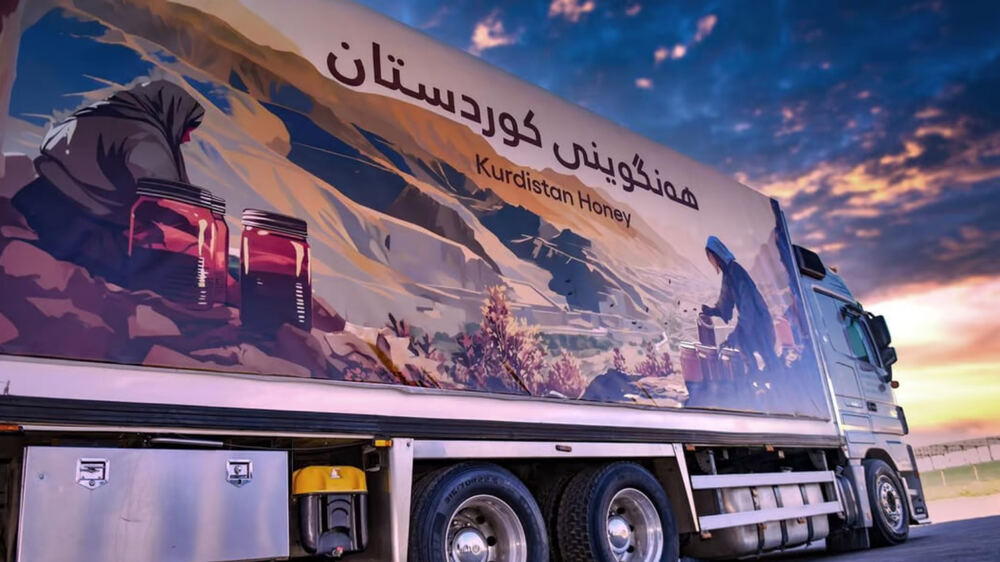
Bu altyapı yatırımları sayesinde, Kürdistan’daki fabrikalar ve çiftçiler tarafından üretilen on binlerce ton pirinç, sumak, tahin, nar, bal, elma, mantar, patates ve diğer tarım ürünleri ilk kez Körfez ülkelerine ihraç edildi.
Kaynak: Kurdistan24
Importers and Exporters Association: Export Increase in the 9th Cabinet Period
While export volume rose in the Kurdistan Region during the 9th cabinet period, sector diversity and infrastructure projects accelerated.
Resul Haci Omer, President of the Importers and Exporters Association Erbil Branch, said that the ninth cabinet has taken important steps to diversify revenue sources and develop different sectors. According to official government data, hundreds of thousands of tons of local products were exported during this period.
With the cabinet taking office, the focus was on strengthening economic diversification across all sectors, especially industry, agriculture and tourism. Thanks to these efforts, part of construction materials became producible in the industrial sector, and various products were exported in the agricultural sector. However, regional developments and problems within Iraq over the last two‑three years caused a partial decline in trade volume; applications such as the Iraqi government's ASYCUDA system also created obstacles in shipment processes.
To support economic diversification, dozens of projects such as silos, factories, plastic greenhouses and warehouses were implemented during the ninth cabinet period and thousands of licenses were granted to companies. Four new silos were completed and put into service in Kuştepe, Kelar, Roviya and Halepçe; construction of five new silos is ongoing in Duhok, Zaho, Kifri, Koye and Herir.
Thanks to these infrastructure investments, tens of thousands of tons of rice, sumac, tahini, pomegranate, honey, apple, mushroom, potato and other agricultural products produced by factories and farmers in Kurdistan were exported to Gulf countries for the first time.
Source: Kurdistan24