
From the Canton Fair to Kurdish Youth: Seeing the World, Learning Production
The shortage of Kurdish producers at the Canton Fair reminds our youth that beyond getting to know the world, they must aim to produce, develop technology, and secure their place in global trade.
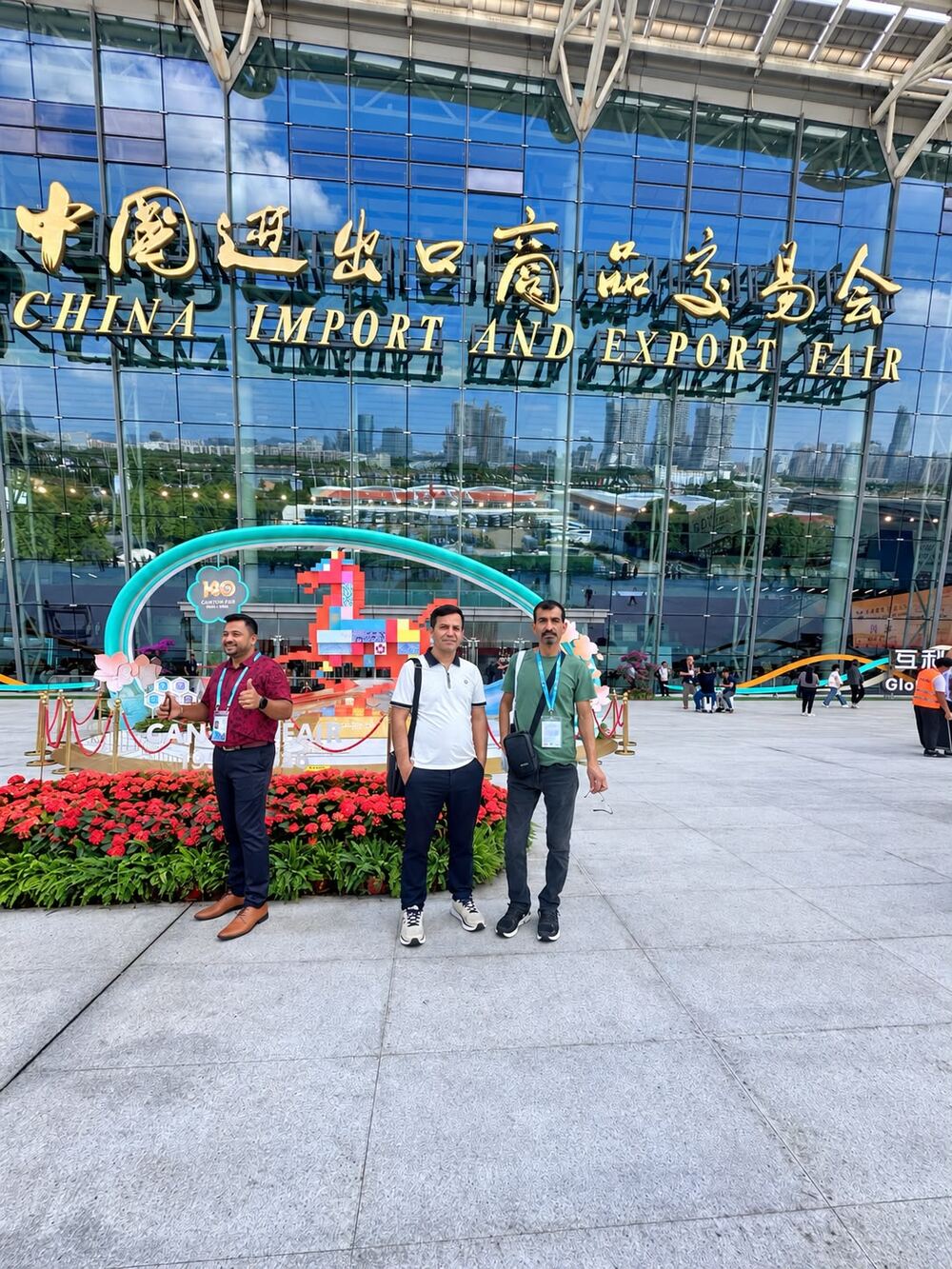
In the city of Guangzhou where I am, I visited the Canton Fair, one of the world’s largest trade gatherings. From the entrance of the fair you encounter people from different countries. Some are looking for products, some are meeting with manufacturers, and some are exploring ways to establish new business relationships.
Guangzhou is one of China’s key manufacturing and trade hubs. Buyers and sellers from around the world meet here. In this city you see more clearly that trade is not only about buying and selling goods; it is also about sharing knowledge, experience, and relationships.
To grasp the scale of the Canton Fair, looking at the figures of a past edition is enough. According to data released for the 137th fair held in spring 2025, the exhibition space covered about 1.55 million square metres. The fair hosted roughly 74,000 booths and 31,000 participating enterprises. The same sources reported that about 290,000 overseas buyers from 219 countries and regions attended. These numbers pertain to a previous fair, but they give a clear sense of the magnitude of the trade network being built here. (english.www.gov.cn, cmsfile.cantonfair.org.cn)
While touring the fair we encountered products displayed across a variety of sectors. We had the chance to observe how manufacturers present their goods, the questions buyers ask, and how commercial relationships are forged. When you look at a product, you inevitably start thinking about the production behind it, the technology, the labor and the market.
During our visit we also met Kurds who had come to the fair. Being in the same place with them was encouraging. The presence of Kurds as visitors and buyers in such a major global trade hub is a sign of interest in these sectors. Yet we must also ask: why are we not more represented among those showcasing our own productions here?
There were also producers from Turkey at the fair. In one hall we saw the products of about twenty Turkish companies on display. Among the firms we observed, none produced technological goods; the exhibited items were mainly various household goods. The presence of Turkish firms illustrates how producers use such fairs to reach international markets.
In contrast, we did not encounter a single Kurdish manufacturer displaying their products during our visit. Even this picture we observed shows that we need to reflect on how far we remain from the worlds of production, technology and global trade.
The way to bridge this gap begins with seeing what is happening in the world. It is crucial for Kurdish youth to attend such fairs, meet people from different countries, ask producers questions and examine emerging technologies on site. The world cannot be fully understood merely by following news and screens. Seeing a production machine up close, talking with the people who develop it, and comparing different products gives a person a new perspective.
We should want our young people not only to remain visitors and buyers in these fields, but eventually become producers themselves. It is not necessary to start with cutting‑edge technology. Sometimes simply studying an existing product, learning how it is made, and trying to produce a similar one is a valuable first step. In my view, once a first step is taken, further learning and experience will follow; over time, products tailored to our own needs and ideas, unique to us, can emerge.
Of course, this requires labor, knowledge, language, capital, and reliable relationships. While learning from others' experiences, we must also look for ways to make products better, more useful, and more suitable to our own conditions. The important thing is not to stay away from the idea of producing and not to hesitate to take the first step.
Fairs show our youth not only today but also the direction of the trend. They offer the chance to observe on site which technologies are developing, which needs are emerging, and which areas of the world are receiving investment. These observations can give ideas about which fields we should study in the future, which skills we should develop, and where we need to produce.
My call to Kurdish youth is this: As long as you have the means, visit these fairs. Go, see, research, ask questions and share what you have learned. Connecting with the world is not about distancing from our own society; it is about using the knowledge and experience we acquire for the future of our community.
The young people who visited the fairs today, met manufacturers and examined products, could open their own booths tomorrow; they could showcase what they produce in their own cities to visitors from around the world. The path to that lies in being curious, learning, and starting somewhere.