
The Claim that Merneith Ruled Egypt Alone Reexamined by New Research
A study published in Prague Egyptological Studies digitally reassessed hieroglyphic evidence suggesting that Merneith may have been an independent ruler rather than a temporary regent.
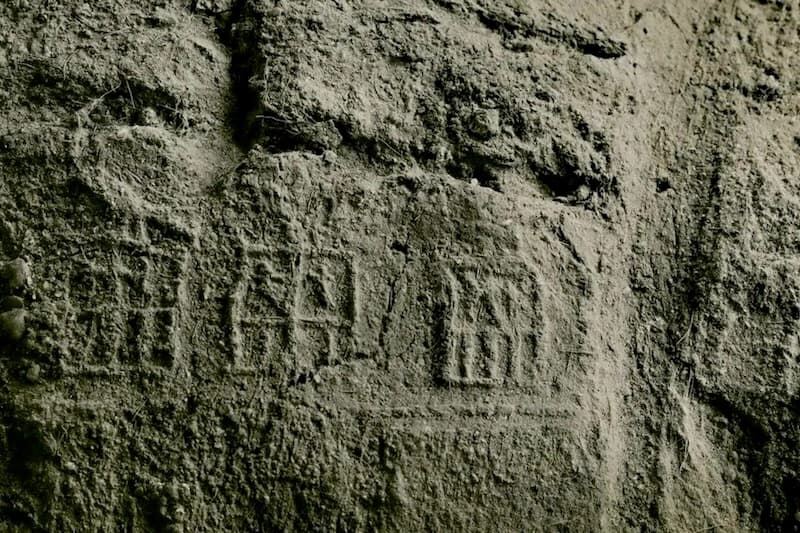
A newly published investigation in Prague Egyptological Studies re‑examined an old photograph of hieroglyphic inscriptions concerning the queen Merneith, who may have ruled ancient Egypt more than 5,000 years ago, using digital tools. The researchers noted that the symbols suggest Merneith was not merely a temporary regent or ruler but likely held a status equal to that of a king; co‑author Susan Kelly, an Egyptologist at Macquarie University, emphasized that the debate hinges on locating the appropriate textual evidence.
Merneith is known as a royal family member from the First Dynasty of ancient Egypt, thought to have been related to the third pharaoh, King Djer, who likely reigned around 2800 BCE. The extensive tomb complex in the royal necropolis at Abydos contains sealed jars and the burials of 41 servants and palace officials. Moreover, a king list found in the tomb of King Den at Saqqara identifies Merneith as “the king’s mother,” leading historians to propose that she may have acted as regent during Den’s childhood.
The only known text concerning Merneith’s rule is the hieroglyphic inscription on an ancient stopper used to seal a jar. In the 1940s, archaeologist Walter B. Emery discovered 13 mud stoppers at the entrance of a tomb in Saqqara and recorded that each bore four signs known as a serekh; Emery interpreted the first and last serekh as belonging to Djer and the middle ones as belonging to Merneith. However, this interpretation has been contested; Kelly argued that the poor quality of the original photograph and the unknown location of the glass plate make verification of the signs impossible, presenting arguments against Emery’s theory.
Source: Rûdaw