
The Soviet-Era Kurds and the Kurdish Language
At a time when Kurdish language and culture were being suppressed in neighbouring states, the Soviet Union — especially Armenia — laid the foundations of a modern standard written Kurdish (Kurmanji) and safeguarded it.
The Kurds of the former Soviet Union, particularly those from the Caucasian republics such as Armenia, played a decisive and unparalleled role in the preservation and development of the Kurdish language — especially the Kurmanji dialect. In an era when the Kurdish language and culture were being repressed and forcibly assimilated in countries such as Turkey, the Soviet Union took on an important role in nurturing the growth of Kurdish.
Standardisation and Development of the Written Language
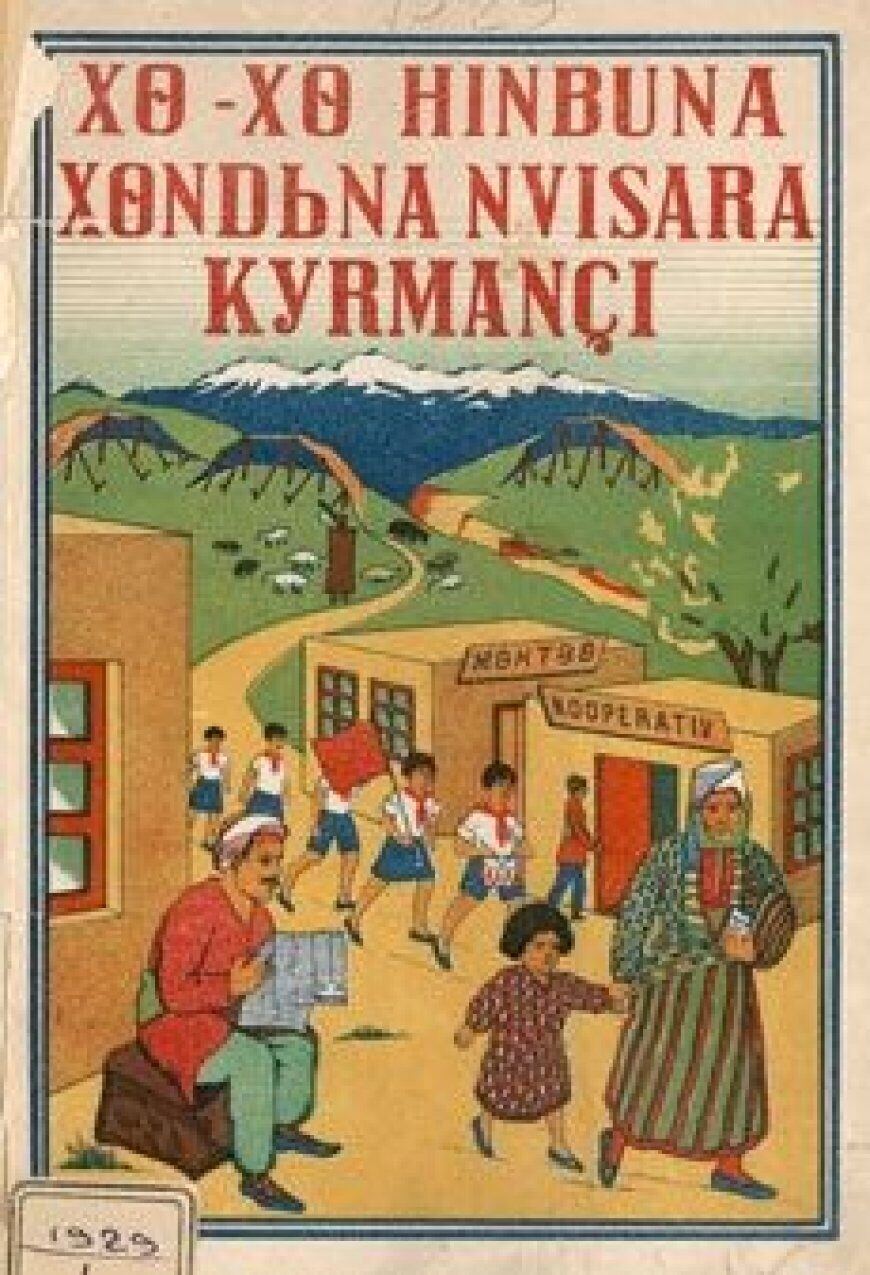
Development of the Alphabet: Significant steps were taken in the Soviet Union to create a standard written form of Kurdish. In 1921, in Tbilisi, a Kurdish alphabet based on the Armenian script was published. In 1928, by decision of the Soviet government, the Kurdish intellectual Erebê Şemo and the Assyrian scholar Isahak Marogulov began preparing a Latin-based Kurdish alphabet. This alphabet was officially adopted in 1929 and is known as the "Şemo–Marogulov Alphabet." The first book printed in this alphabet was a primer titled Xɵ-xɵ hinbuna xandina nvisara kurmançi (Self-Taught Kurmanji Reading), which appeared in 1929. Later that same year, a Latin alphabet better suited to the phonetic structure of Kurdish was developed for Soviet Kurds. A Cyrillic alphabet was eventually adopted as well, and is still used today by the Yezidi Kurds of Armenia. These literacy efforts were decisive for the spread of education and literature.
Linguistic Research: Soviet Kurdologists such as Qanatê Kurdo and Çerkez Bakayev made important contributions to the study of the Kurdish language. They wrote grammars, conducted research on dialects, and examined in depth the influence of other languages — Arabic, Turkish, Armenian and Russian — on the development of Kurdish.
Publishing Books and Newspapers: The Soviet government supported the publication of books, textbooks and newspapers in Kurdish. One of the most famous newspapers was Riya Teze ("The New Way"), published in Yerevan, which became a platform for the first works of Kurdish literature in the Soviet Union.
Preservation of Oral Tradition and Cultural Identity
Radio Yerevan: The Kurdish section of Radio Yerevan played an immeasurable role in preserving and disseminating Kurdish culture. At a time when the Kurdish language was banned in Turkey, the radio was a bridge that connected Kurds to their mother tongue, music and folk traditions. Thousands of recordings of Kurdish folk songs and theatre plays were preserved in the radio's archives.
Literature: Kurdish writers living in the Soviet Union, such as Erebê Şemo, created important literary works depicting the life and struggle of the Kurds. Their books were translated into many languages and helped bring Kurdish literature to a wider readership.
Cultural Institutions: In the Soviet Union, especially in Armenia, Kurdish cultural and educational institutions were established. There was even a special section for Kurdish writers within the Writers' Union of Armenia.
In short, the Kurds of the former Soviet Union made a foundational contribution to the Kurdish language. They laid the groundwork for a modern written language, advanced scholarly research on Kurdish, and — at a time when Kurdish identity was being harshly suppressed in other parts of the world — played a decisive role in preserving the cultural heritage through media and literature.