
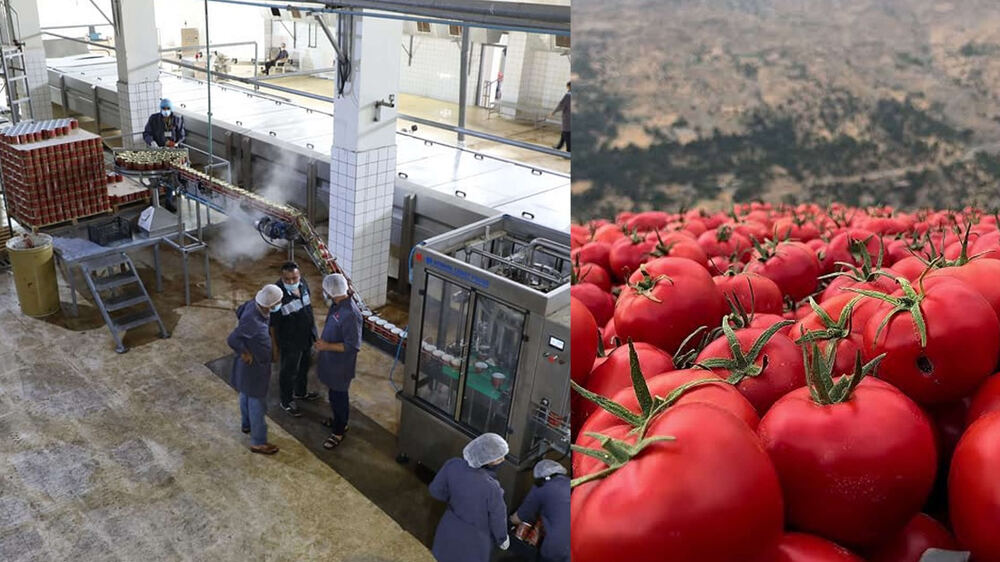
Transition of Agriculture and Food Industry in the Kurdistan Region from Import to Export
The Kurdistan Regional Government is steering the agri‑food sector toward exports through tax and customs exemptions, land allocation and new facilities.
The Kurdistan Regional Government has placed agriculture and the food industry at the heart of development in order to reduce dependence on oil and diversify revenue sources. Tax and customs exemptions, free land allocation, expanded silo capacity and a contract‑farming model are accelerating the shift from an importer role to a producer and exporter.
Qareman Qadir, spokesperson for the Ministry of Agriculture and Water Resources, said that strict measures have been taken on imports during harvest seasons to protect domestic producers, including bans or high customs duties on vegetables, potatoes, tomatoes and fruit. He noted that the white‑meat sector has reached self‑sufficiency, that chicken and egg production now exceeds domestic consumption, and that a significant portion of the output is exported to Iraq’s central and southern governorates. He also highlighted the facilitation of packaging and cold‑storage facilities.
According to ministry data, with newly built facilities such as Kelar, Berdereş and Kuştepe, the number of silos in the region has exceeded 11; total wheat storage capacity has been raised from 500,000 tons to about 1 million tons, securing farmers’ annual wheat harvest. In Erbil, Sulaymaniyah, Duhok, Halabja and the autonomous administrations, a wide network of cold‑storage warehouses has been established in cooperation with the private sector, preventing producers from having to sell their products below value during the harvest season and ensuring domestic product supply throughout the year.
The Secretary General of the Ministry of Trade and Industry, Serwer Hawari, announced that a “purchase from local producer” condition has been introduced to grant customs exemptions to factories. Manufacturers can import machinery and raw materials not available domestically duty‑free for ten years; in return they must buy basic inputs such as potatoes, tomatoes and olives from local farmers. Under a contract‑farming model, special seeds and seedlings are provided to farmers and the harvested product is purchased back, creating a strong economic integration between industry and agriculture.
Source: Kurdistan24