
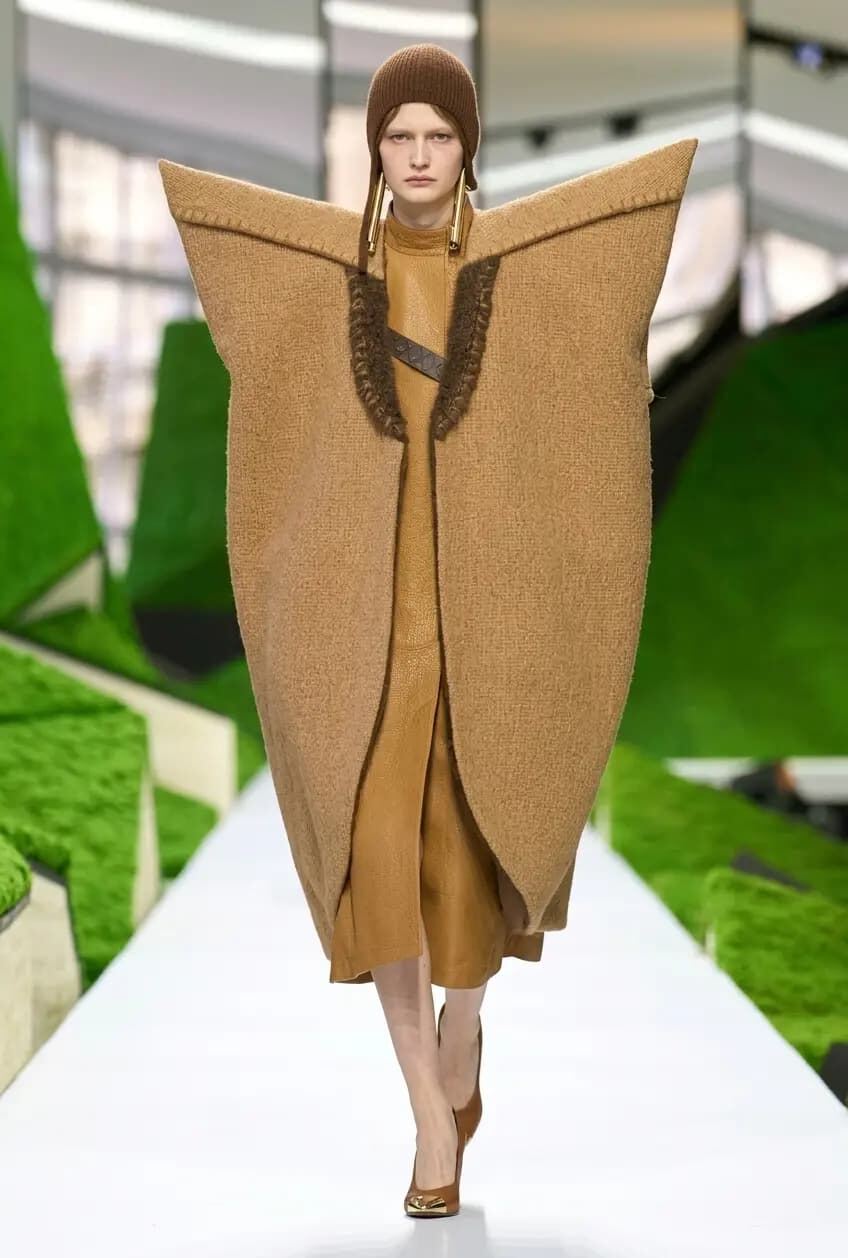
Kurdish officials sue over Louis Vuitton's unauthorized use of the Ferenji design
Louis Vuitton used the Kurdish traditional garment Ferenji in its collection without cultural reference, and Kurdish officials are demanding legal action.
French fashion giant Louis Vuitton displayed the design of the Kurdish traditional garment “Ferenji” in its latest collection without referencing Kurdish culture or the garment’s history. The move sparked backlash in the Kurdistan Region, and officials called for legal action against the brand.
Germiyan Culture Director Adil Hüseyin Kadir told Rûdaw that Louis Vuitton used the original Ferenji design, which belongs to the Kurds, in a runway show without permission or attribution. Kadir described the act as a violation of Kurdish culture and urged that appropriate legal steps be taken against the company.
Kadir emphasized that Ferenji is not an ordinary garment for Kurds, but a historic and authentic Germiyan costume worn by our ancestors centuries ago. He also noted that in Enfal it is the identity and symbol of the Rızgari district, having become the region’s emblem after a monument was erected in Rızgari in 2002 by sculptor Beyan Mani. The Director General of Germiyan Culture stated that international legal measures are needed to protect Kurdish cultural heritage and prevent the distortion or theft of traditional clothing for marketing under other names.
Kadir said that, by sending an official letter to the Ministry of Culture of the Kurdistan Region, they have requested that a lawsuit be filed, and that institutions in the Halepçe province as well as numerous civil society organizations have also approached the ministry with similar demands.
In a meeting with ministry officials, it was reported that the request has been received and that the matter is being examined.
The ferenji is a traditional Kurdish outer garment made of specially processed wool (felt), reaching down to the waist, with shoulders that protrude outward and tilt upward (upright). It is chosen for aesthetic purposes on special occasions rather than for everyday protection.
Source: Rûdaw