
Olive Harvest in Derik Begins with High Yield, Producers Complaining About Low Prices
Olive harvest in Derik is in full swing; producers are battling low prices despite high yields.
The district of Derik in Mardin continues to be one of the most important centers of olive production for thousands of years. With the arrival of the autumn months, the harvest season has begun, the trees are shaken and olives are collected one by one. Although this season’s yield is considerably higher than in previous years, producers complain about the low prices.
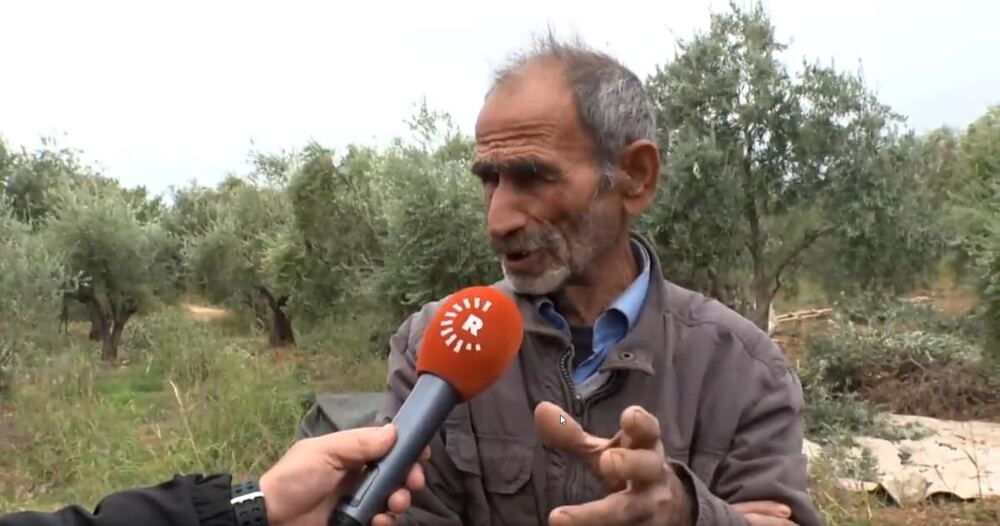
Producers say that the influx of low‑quality olives from neighboring provinces and districts, sold cheaply, is driving down the value of Derik olives. In the olive groves, women, men and children work side by side. Farmer Metin Çilek explained that they own a garden of about 150‑200 trees, that Derik olives are completely organic, that no pesticides or fertilizers are used, and that the region has 32 olive varieties. The most famous varieties are hırxali, zoncik, beloti, mavi and kejik; the hırxali type sells for 6,500‑7,000 Turkish lira for a 25 kg sack, and when prepared as a breakfast spread its price reaches 300‑350 lira per kilogram.
The active role of women in the harvest was also highlighted; Hürriyet Çilek said that men scrape one side of the trees with a ladder while women collect the other side, a method they have been accustomed to since childhood. Seventy‑year‑old Heve Çilek recalled the harsh conditions of picking olives under snow and rain, when branches were struck with sticks. Farmer Muhammed Başaran noted that the harvest lasts 15‑20 days and that if the olives do not fetch a price, they are taken to a factory and turned into oil. Hamdullah Demir added that in the past couple of years cheap olives brought in from Edremit, Hatay and Nizip have entered the Derik market, putting local producers at a disadvantage.
According to data from the Forest Management Directorate, 1,535 tonnes of olives were harvested across Derik in 2025. Officials say this year's yield is much better and that the harvest is expected to exceed 2,000 tonnes.
Source: Rûdaw