
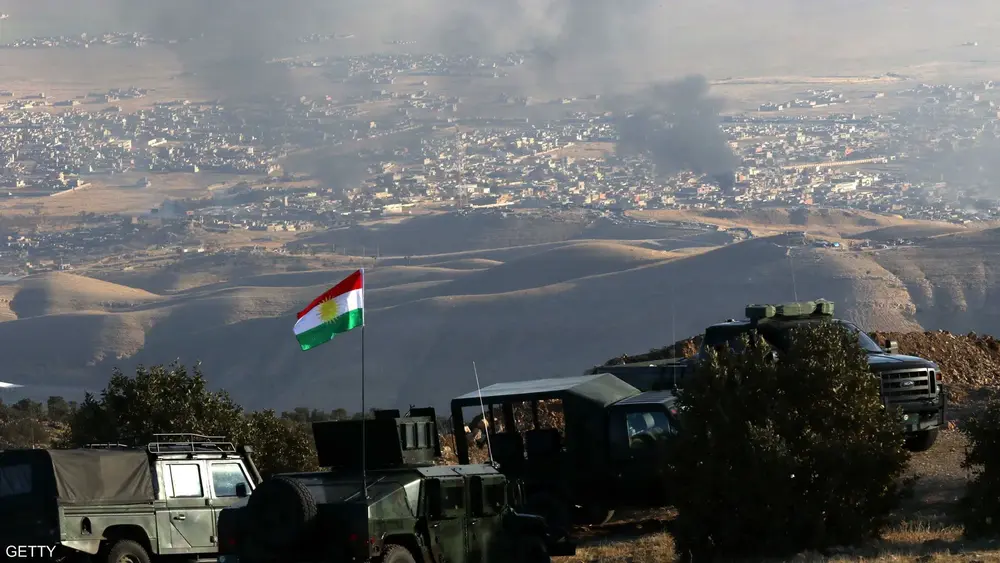
11th Anniversary of Sinjar’s Liberation: Peshmerga Victory and Its Aftermath
Peshmerga forces rescued Sinjar in 2015; eleven years later, thousands of Yazidi refugees still do not return to the area because of security gaps.
Peshmerga forces, fifteen months after the Islamic State’s occupation, fully liberated Sinjar on 13 November 2015 under the direct command of President Masoud Barzani. During the operation, the strategic supply route number 47 between Mosul and Raqqa was cut, and the victory created a new hope for a normal life for Yazidi civilians stranded on Mount Sinjar and in the camps.
In a statement on 4 August 2015, marking the first anniversary of Sinjar’s fall, Barzani said, “We will take revenge for our people, down to the last person who reaches out to our honor.” Three months later, speaking from Mount Sinjar, he described the victory as “congratulations to the Kurdish people, the families of heroic martyrs, and especially to our Yazidi brothers.”
Although the liberation is seen as the beginning of the collapse of ISIS’s self‑proclaimed caliphate announced in Mosul’s Nuri Mosque, more than half of Sinjar’s population still lives in the Sharya, Kebertu, Hanke and Sheikhan camps within Duhok province after eleven years. Ongoing security gaps and the threat from armed groups, especially after the events of 16 October 2017, make returning to the area difficult.
According to data from the Kurdistan Regional Government, ISIS terrorists abducted approximately 6,417 people from Sinjar; of these, 3,595 have been rescued, while the fate of more than 2,526 remains unknown. Out of roughly 96 mass graves in the area, 85 have been exhumed, and DNA testing has allowed the remains of nearly 300 victims to be returned to their families. More than 15 countries and international bodies—including France, the United Kingdom, the United States, Canada, the Netherlands, Belgium and others—have recognized the massacre of the Yazidis as genocide; the European Parliament and the United Nations have also classified the event as both a massacre and genocide.
Source: Kurdistan24