
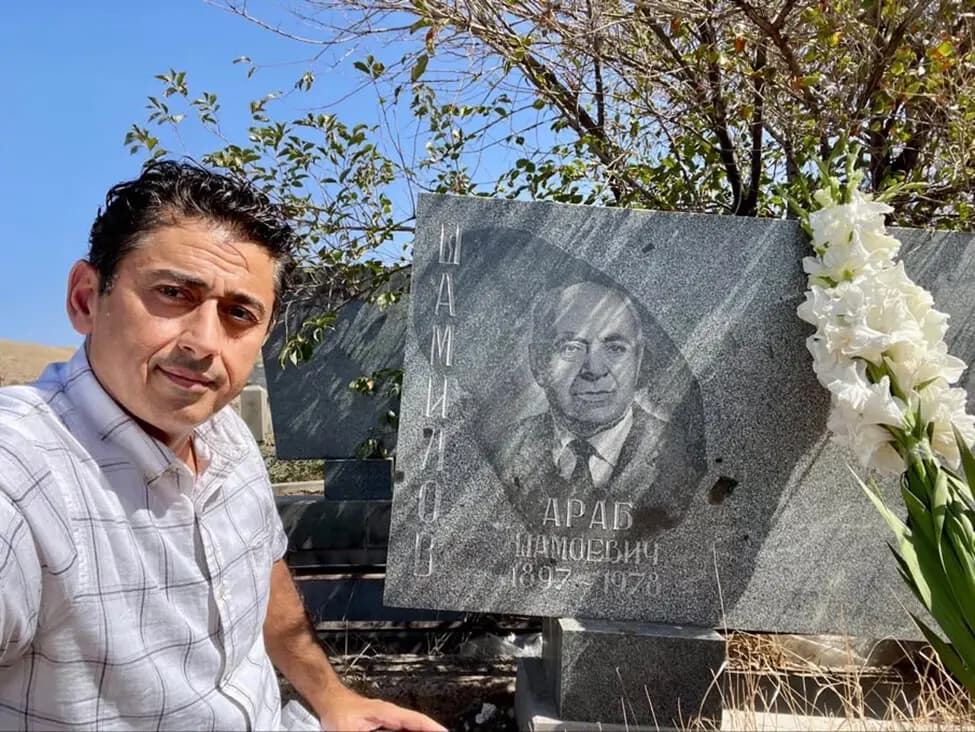
Erebê Şemo: Exile, Survival and the Birth of the Kurdish Novel
Erebê Şemo, as the father of Kurdish literature, preserved the language during his years of exile and shaped the modern Kurdish novel.
Erebê Şemo (Arab Şamilov, 1897–1978), was born in the town of Susuz in Kars Oblast to a Yezidi Kurdish family. After the collapse of the Tsarist Empire, World War I and the cession of Kars to Turkey, he was forced to move eastward to Soviet Armenia. Yerevan quickly became an intellectual refuge for the displaced Kurdish community in the region.
In the early 1920s, attempts were made in local Kurdish schools to adapt the Armenian alphabet; during this period Şemo worked to spread literacy. He is recognized as the architect of modern literacy, a field linguist, and a co‑founder of one of the first Kurdish newspapers. As a survivor and witness of Stalinist Gulag camps, he earned the respect of being “the teacher of teachers.”
During his seventeen years of exile in Siberia, he repeatedly read Kurdish folk tales aloud to preserve the melody of his mother tongue. This effort ensured the language’s survival at a time when, in the early Soviet geography, Kurmanji began to receive state support for public education and official publishing infrastructure. Şemo’s work “Şivanê Kurmanca” became one of the core texts that shaped a university student’s worldview in Ankara.
The institutional foundations Şemo established prevented diaspora Kurdish generations from losing the written heritage of their mother tongue. Today, educators who teach Kurmanji at the university level in the United States see his Soviet‑era preservation work as a direct continuation.
Source: Rûdaw