
The fragmented structure of the Kurdish lobby in Washington limits its recognition
Expert Dr. Salah Bayezidi said that the Kurdish lobby’s divided structure and lack of state status diminish its impact in Washington.
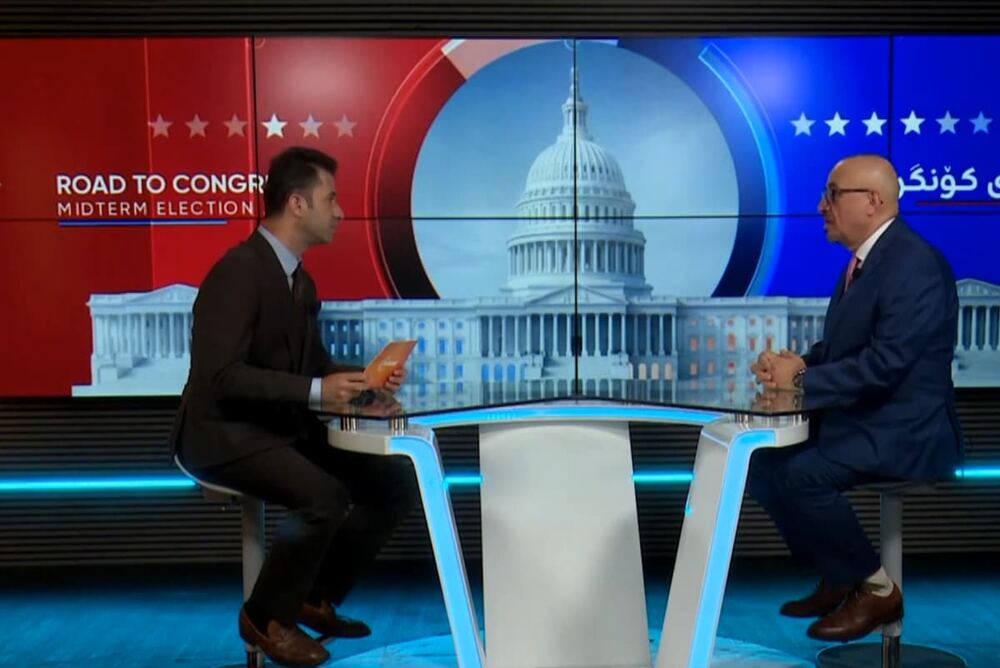
International relations expert Dr. Salah Bayezidi emphasized that the Kurdish lobby in Washington cannot fully realize its potential because of its fragmented structure, and that its lack of state status is a key factor limiting its recognition. Bayezidi participated in the program Rêgeya Kongrês, presented by Diyar Kurda, the Rûdaw Washington representative.
Bayezidi noted that billions of dollars are allocated worldwide for lobbying activities, citing that China has spent more than half a billion dollars in the last decade, Israel 200 million dollars, and Qatar about 270 million dollars. The United Arab Emirates, Qatar and Saudi Arabia also rank among the top spenders, and he said these countries sometimes use their lobbies against each other.
Bayezidi, who says that Kurds from all four parts of Kurdistan are represented in Washington and conduct lobbying activities, assessed that they displayed a more united structure during the post‑2003 golden age, the ISIS‑war period and the referendum process, while the subsequent internal divisions have negatively affected the lobby. In the fight against ISIS in Iraq and Syria, the shared interests of the United States and the Kurds acted as a “free lobby” that boosted the visibility of Kurdish identity on the international stage.
The expert, emphasizing that money is decisive in Washington, noted that the lobby’s influence varies according to the geopolitical circumstances of each Kurdish segment; for example, U.S.–Iran tensions have left less room for the Rojava issue. He added that the Middle East stands on the brink of a major transformation, and that one of the biggest challenges and opportunities concerns the future of the Islamic Republic of Iran.
Source: Rûdaw